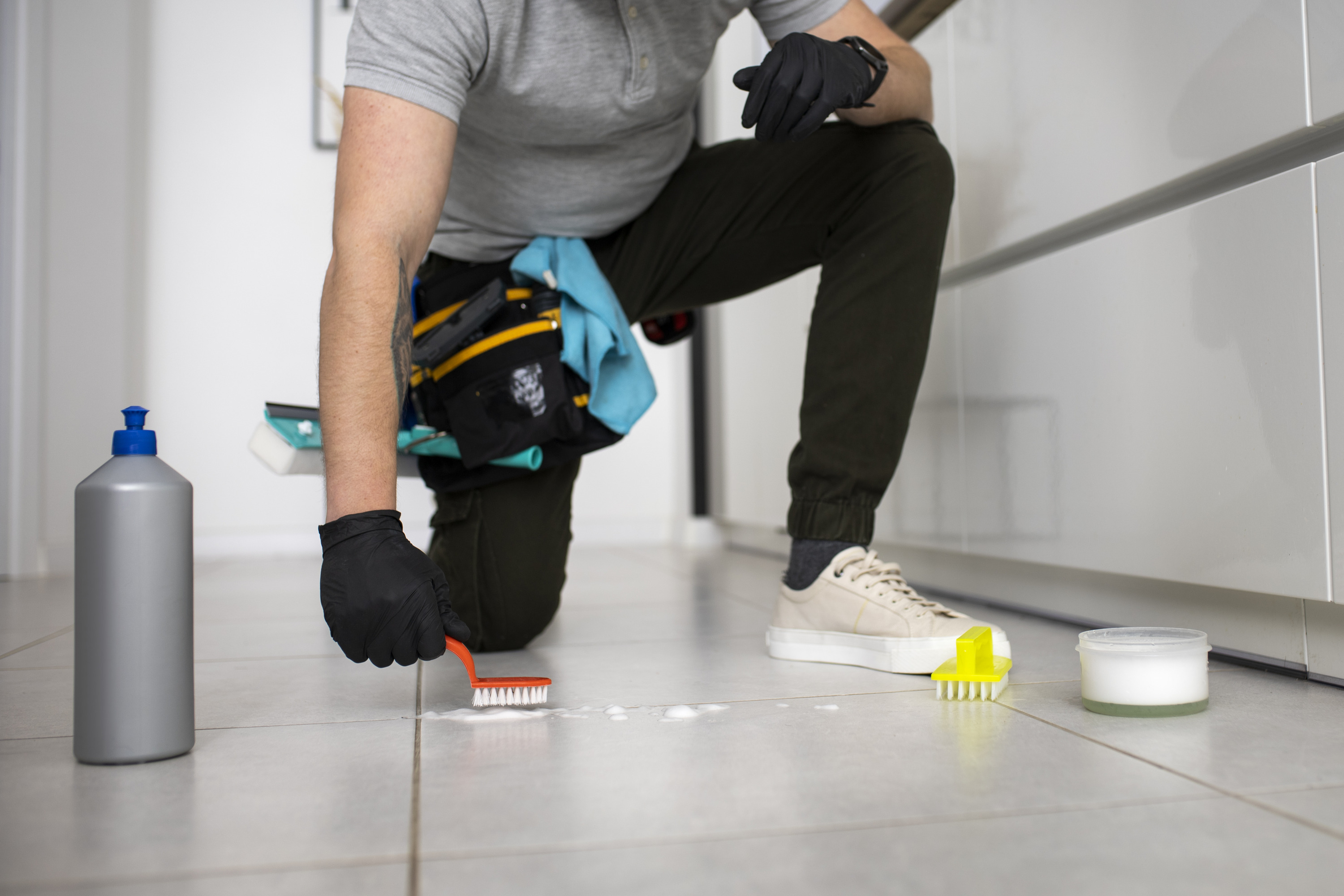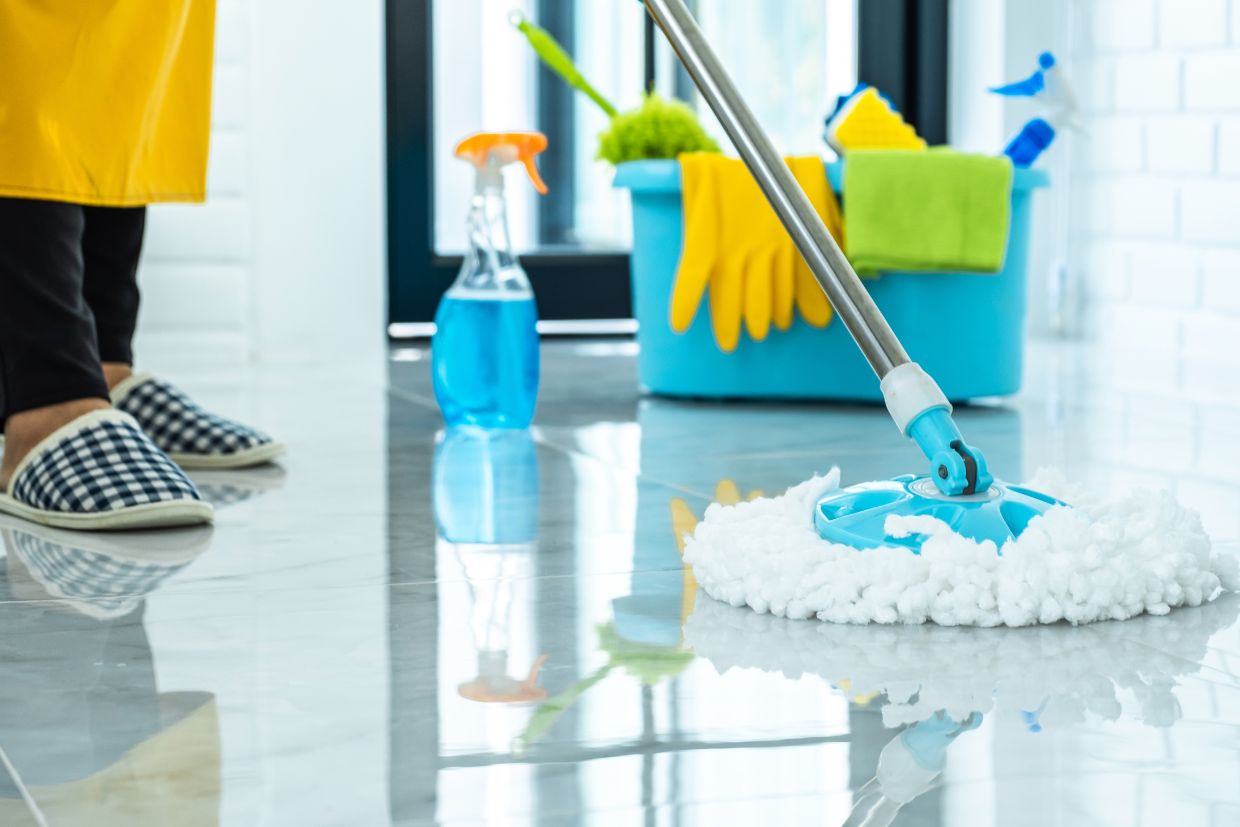
Managing a commercial building, strata property, or multi-unit residential complex involves much more than responding to repair requests. Property managers are responsible for maintaining safe, functional, and attractive properties while controlling operating costs and protecting long-term asset value. One of the most effective ways to achieve these goals is through preventative maintenance. Rather than waiting for equipment failures, water damage, safety issues, or tenant complaints, a proactive maintenance strategy helps identify and address potential problems before they become costly emergencies. A comprehensive building maintenance service allows property managers to stay organized, reduce unexpected expenses, improve tenant satisfaction, and extend the lifespan of critical building systems. In this guide, we’ll walk through the essential areas every property manager should include in a preventative maintenance program. Why Preventative Building Maintenance Matters Preventative maintenance is the process of regularly inspecting, servicing, and maintaining building components before major issues develop. Benefits include: Lower repair and replacement costs Improved tenant retention Reduced emergency maintenance calls Better building safety and compliance Increased property value Longer lifespan for building systems Improved energy efficiency Whether managing an office building, condominium, retail center, or strata property, preventative maintenance forms the foundation of effective facility management and long-term property performance. Exterior Building Maintenance Checklist The exterior of a building is constantly exposed to weather, moisture, UV rays, and environmental pollutants. Regular inspections help prevent structural damage and costly repairs. Inspect Building Facades Check for: Cracks in walls Loose cladding or siding Water stains Signs of structural movement Deteriorating sealants Small issues can quickly escalate if left unaddressed. Roof Inspections Roof maintenance should be performed at least twice annually. Look for: Missing roofing materials Standing water Drainage blockages Flashing damage Signs of leaks A neglected roof can become one of the most expensive repair projects for any commercial property. Gutter and Drainage Systems Inspect and clean: Gutters Downspouts Roof drains Surface drainage channels Regular gutter cleaning services help prevent water overflow, foundation issues, and moisture damage that can impact both the building structure and landscaping. Parking Lots and Walkways Review: Surface cracks Potholes Uneven pavement Line markings Accessibility features Safe pedestrian access reduces liability risks and improves curb appeal. HVAC System Maintenance Checklist Heating, ventilation, and air conditioning systems directly affect occupant comfort and energy efficiency. Routine inspections should include: Air Filter Replacement Dirty filters restrict airflow and increase energy consumption. Ventilation Checks Inspect vents and ducts for: Dust buildup Blockages Airflow issues Thermostat Testing Verify: Accurate temperature readings Proper scheduling Energy-saving settings Professional HVAC Services included Schedule annual inspections to assess: Compressors Motors Refrigerant levels Electrical components Proper HVAC maintenance contributes significantly to overall commercial property maintenance efficiency. Plumbing Maintenance Checklist Water damage remains one of the most common and costly building issues. Regular plumbing inspections should include: Leak Detection Check: Faucets Toilets Supply lines Mechanical rooms Even minor leaks can lead to significant expenses over time. Water Pressure Testing Abnormal water pressure can indicate hidden plumbing problems. Drain Inspections Ensure drains remain free from: Grease buildup Debris Blockages Water Heater Maintenance Inspect for: Corrosion Sediment buildup Temperature consistency Electrical System Maintenance Checklist Electrical failures can disrupt operations, create safety hazards, and result in expensive emergency repairs. Property managers should regularly inspect: Electrical Panels Look for: Loose connections Overheating signs Circuit issues Emergency Lighting Test emergency lighting systems to ensure compliance and occupant safety. Exit Signs Verify all exit signs remain operational and visible. Backup Power Systems Inspect generators and backup systems according to manufacturer recommendations. A preventative approach helps reduce unexpected outages and safety concerns. Common Area Maintenance Checklist Shared spaces significantly impact tenant experience and overall property perception. Lobbies and Reception Areas Inspect for: Flooring damage Lighting issues Cleanliness standards Elevators Schedule routine servicing and inspections to maintain reliability and compliance. Stairwells and Hallways Review: Handrails Flooring conditions Lighting Fire safety access Periodic floor cleaning services can help preserve flooring materials and enhance the overall appearance of common areas. Restrooms Monitor: Plumbing fixtures Ventilation Supplies Sanitation standards Clean, well-maintained common areas help create a positive impression for visitors and occupants. Seasonal Building Maintenance Tasks Weather conditions can create unique maintenance challenges throughout the year. Spring Inspect roofing after winter Check drainage systems Service HVAC equipment Repair exterior damage Summer Pressure wash surfaces Review irrigation systems Inspect landscaping Fall Clean gutters Prepare heating systems Inspect weather seals Winter Monitor snow removal Check ice management procedures Inspect heating performance Seasonal planning helps property managers stay ahead of predictable maintenance issues. Cleaning Services and Property Upkeep Professional cleaning plays a critical role in effective property upkeep. Regular cleaning supports: Healthier indoor environments Improved tenant satisfaction Better first impressions Extended lifespan of building materials Areas requiring ongoing attention include: Carpets Hard flooring Windows High-touch surfaces Common areas Washrooms Many property managers work with experienced service providers like Brighter Cleaning to help maintain cleanliness standards across residential and commercial properties. Signs Your Building Maintenance Program Needs Improvement Property managers should reassess maintenance procedures if they notice: Frequent tenant complaints Increasing repair costs Recurring equipment failures Poor inspection results Declining property appearance Emergency repairs becoming common These indicators often suggest preventative maintenance activities are being overlooked. Building a Long-Term Maintenance Strategy A successful maintenance program combines: Scheduled inspections Preventative servicing Professional cleaning Asset tracking Vendor management Detailed maintenance records Modern facility management software can help organize maintenance schedules and improve accountability across teams. The goal is not simply to fix problems but to prevent them from occurring in the first place. Conclusion A well-structured building maintenance checklist is one of the most valuable tools a property manager can implement. From HVAC systems and plumbing to exterior inspections and common area care, preventative maintenance helps protect assets, improve tenant satisfaction, and reduce long-term operating costs. By investing in proactive facility management, consistent property upkeep, and professional maintenance support, property managers can avoid costly surprises while preserving the value and performance of their buildings for years to come. If you’re looking to improve building cleanliness and support your maintenance efforts, Brighter Cleaning provides professional cleaning