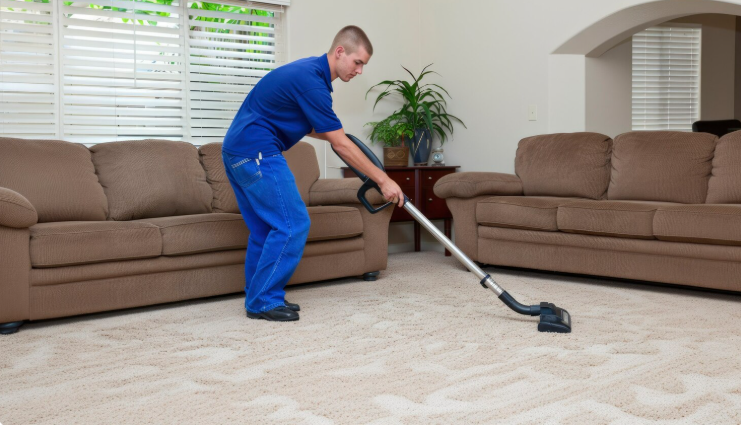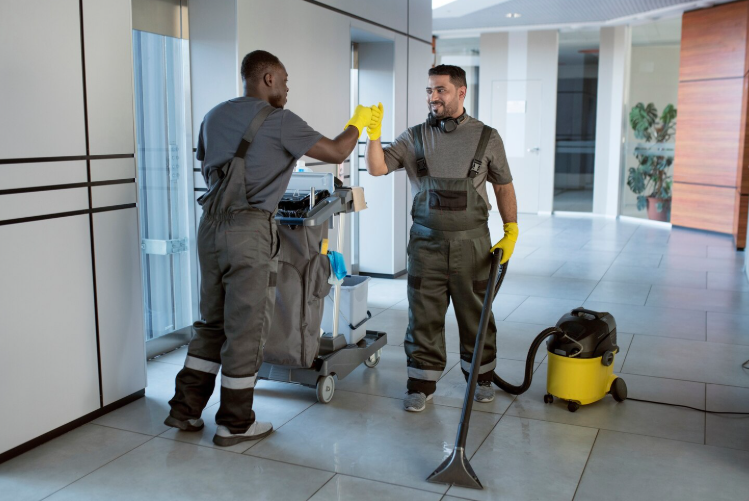
Commercial carpets experience significantly more foot traffic than residential flooring. Every day, employees, customers, and visitors bring in dirt, moisture, allergens, and debris that settle deep within carpet fibers. While regular vacuuming helps remove surface dust, it cannot eliminate embedded contaminants or restore the carpet’s original appearance. Professional carpet cleaning services play an important role in maintaining a clean, healthy, and welcoming workplace. It improves indoor air quality, extends the lifespan of carpeting, and creates a positive impression for employees and visitors alike. So, how often should commercial carpets be professionally cleaned? The answer depends on several factors, including the type of business, daily foot traffic, weather conditions, and industry standards. Understanding these factors can help businesses develop an effective carpet maintenance schedule that protects their investment while maintaining a professional environment. Why Commercial Carpet Cleaning Matters Carpets are one of the largest surfaces inside an office or commercial building. They collect dust, bacteria, allergens, spills, and microscopic particles throughout the day. Without regular professional cleaning, carpets can quickly become a source of unpleasant odors and poor indoor air quality. Over time, accumulated dirt acts like sandpaper, wearing down carpet fibers and reducing the carpet’s lifespan. Professional carpet cleaning helps businesses: Improve workplace cleanliness Maintain a professional appearance Reduce allergens and dust Extend carpet life Remove stubborn stains Create a healthier environment for employees and visitors Routine maintenance is not simply about appearance. It is an important part of a comprehensive commercial cleaning program that protects a valuable business asset. Factors That Determine Commercial Carpet Cleaning Frequency There is no universal cleaning schedule for every business. Several factors influence how often commercial carpets should receive professional cleaning. Daily Foot Traffic The number of people entering a building each day has the greatest impact on carpet wear. Businesses with heavy foot traffic require more frequent cleaning than offices with limited daily visitors. Examples include: Shopping centres Medical clinics Hotels Schools Restaurants Corporate offices with large workforces Higher traffic means more dirt becomes trapped within carpet fibers. Type of Business Different industries have different cleanliness requirements. Healthcare facilities, childcare centres, and hospitality businesses often require more frequent carpet cleaning because cleanliness directly affects customer confidence and health standards. Professional office spaces may not require cleaning as often but still benefit from scheduled maintenance throughout the year. Weather Conditions Rain, snow, and muddy conditions increase the amount of moisture and dirt entering commercial buildings. Businesses located in areas with frequent rainfall should consider increasing their carpet cleaning frequency, especially during wet seasons. Carpet Colour and Material Light coloured carpets show stains much faster than darker materials. Some carpet materials also trap dirt more easily, requiring additional maintenance to maintain their appearance. Recommended Commercial Carpet Cleaning Schedule Although every facility is different, the following guidelines work well for most commercial environments. Business Type Recommended Professional Cleaning Small offices Every 6 to 12 months Corporate offices Every 3 to 6 months Medical facilities Every 2 to 3 months Hotels Every 1 to 3 months Retail stores Every 3 months Restaurants Every 1 to 2 months Educational facilities Every 3 to 6 months Regular inspections can help determine whether cleaning should occur sooner than planned. Signs Your Commercial Carpets Need Professional Cleaning Waiting until carpets look dirty is rarely the best approach. Dirt often builds beneath the surface long before visible stains appear. Watch for these common signs: Persistent stains remain after routine cleaning. Unpleasant odors continue throughout the workplace. Carpet fibres appear flattened. Increased allergy symptoms among employees. Discoloration in high traffic areas. Dust becomes visible shortly after vacuuming. Addressing these issues early prevents permanent damage. What Happens During Professional Carpet Cleaning? Professional carpet cleaning involves much more than standard vacuuming. The process typically includes inspection, stain treatment, deep cleaning, extraction, and drying. Common cleaning methods include: Hot Water Extraction Often called steam cleaning, this method removes deeply embedded dirt using heated water and powerful extraction equipment. It is one of the most effective techniques for commercial environments. Low Moisture Cleaning This process uses minimal water and allows carpets to dry much faster. Businesses that cannot accommodate extended drying times often choose this method. Encapsulation Cleaning Encapsulation technology surrounds dirt particles with cleaning polymers that are removed during vacuuming. It works well for routine commercial maintenance. Professional cleaners select the most appropriate method based on carpet type, soil level, and business operations. The Benefits of Routine Office Carpet Maintenance Routine maintenance, combined with proper office cleaning practices, provides long term value beyond appearance. Businesses that follow a scheduled carpet maintenance program often experience: Lower replacement costs Better indoor air quality Improved workplace hygiene Longer carpet lifespan Better first impressions for customers Reduced stain buildup Easier daily maintenance Preventive care is generally far less expensive than replacing damaged carpeting. Simple Practices Between Professional Cleanings Professional cleaning delivers the best results, but daily maintenance is equally important. Businesses should establish simple cleaning routines and support them with regular janitorial cleaning services, including: Vacuum high traffic areas every day. Clean spills immediately. Use entrance mats to reduce dirt. Rotate furniture when possible. Schedule regular carpet inspections. Encourage employees to report stains promptly. These small practices help preserve carpet quality between professional services. Choosing the Right Commercial Carpet Cleaning Company Not every carpet cleaning company has experience working in commercial environments. Before hiring a provider, businesses should consider: Experience with commercial properties Certified cleaning technicians Modern extraction equipment Flexible scheduling Environmentally responsible cleaning products Positive customer reviews Transparent pricing Working with an experienced commercial cleaning company ensures consistent results while minimizing disruption to business operations. Conclusion Commercial carpets experience daily wear from foot traffic, dirt, dust, spills, and allergens that routine vacuuming alone cannot remove. Professional carpet cleaning provides a deeper level of care that complements deep cleaning and regular cleaning schedules by eliminating embedded contaminants, improving indoor air quality, extending the life of your carpets, and maintaining a clean, professional appearance for employees and visitors. The right cleaning frequency depends on factors such as the type of