
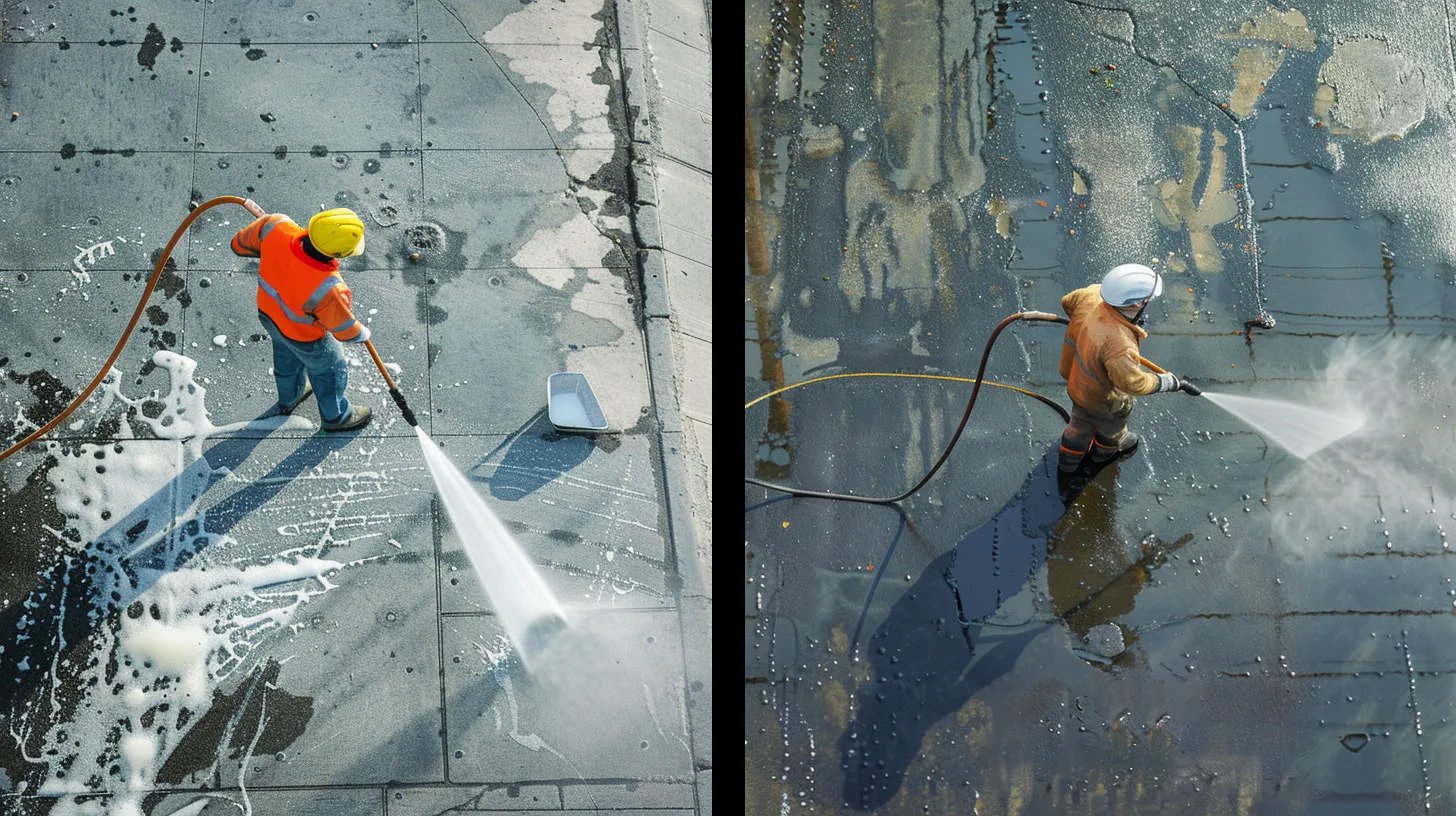
Keeping the exterior of a property clean is about more than appearances. Dirt, algae, mold, mildew, and environmental pollutants can gradually damage surfaces, reduce curb appeal, and even shorten the lifespan of building materials. Whether you own a home, manage a commercial property, or oversee a strata complex, choosing the right exterior cleaning method is essential for protecting your investment.
Two of the most common cleaning methods are pressure washing and soft washing. While many people use these terms interchangeably, they are actually very different processes designed for different surfaces and cleaning needs.
Understanding the difference between pressure washing and soft washing can help you avoid costly damage while achieving the best possible results. In this guide, we’ll compare both methods, explain when each should be used, and help you determine which option is right for your property.
What Is Pressure Washing?
Pressure washing uses high-pressure water to remove dirt, grime, mud, stains, moss, and other contaminants from hard surfaces. Specialized equipment forces water through a narrow nozzle at high speed, creating enough power to clean stubborn buildup quickly and effectively.
Pressure washing is particularly effective for durable surfaces that can withstand strong water pressure. It is commonly used on concrete driveways, sidewalks, parking lots, retaining walls, and certain types of brick and stone surfaces.
Many property owners schedule a professional pressure washing service to restore heavily soiled outdoor areas and improve the overall appearance of their property.
One of the biggest advantages of pressure washing is its ability to remove years of accumulated dirt in a relatively short amount of time. It can dramatically improve curb appeal and help prepare surfaces for painting, sealing, or maintenance work.
However, high-pressure water is not suitable for every surface. Using excessive pressure on delicate materials can cause cracking, surface erosion, water intrusion, and costly repairs.
What Is Soft Washing?
Soft washing is a low-pressure cleaning method that combines gentle water application with specialized cleaning solutions designed to break down organic growth and contaminants.
Instead of relying on force, soft washing targets the root causes of staining, including algae, mold, mildew, bacteria, and moss. The cleaning solution loosens and eliminates these contaminants before they are rinsed away using low-pressure water.
Soft washing is commonly used for:
- Vinyl siding
- Stucco
- Painted surfaces
- Roof shingles
- Wood siding
- Fences
- Exterior building facades
Because it uses significantly less pressure than traditional pressure washing, soft washing minimizes the risk of surface damage while providing a deeper and longer-lasting clean.
For many residential and commercial properties, soft washing is the safer option when dealing with delicate exterior materials.
The Key Differences Between Pressure Washing and Soft Washing
While both methods aim to clean exterior surfaces, their approach is fundamentally different.
Pressure washing relies primarily on water pressure to remove dirt and stains. Soft washing relies on cleaning agents and low-pressure rinsing to eliminate contaminants safely.
The choice often depends on the material being cleaned rather than the amount of dirt present.
For example, a concrete driveway covered in oil stains may benefit from pressure washing. A roof covered in algae or moss would typically require soft washing to avoid damaging shingles.
Understanding these differences is critical because using the wrong cleaning method can lead to unnecessary repairs and maintenance costs.
When Pressure Washing Is the Better Choice
Pressure washing works best on hard, non-porous surfaces that can tolerate higher levels of force.
Concrete sidewalks, driveways, patios, parking garages, loading docks, and retaining walls often accumulate heavy dirt, grease, and environmental buildup. These surfaces are generally durable enough to withstand the cleaning power of pressure washing.
Commercial property managers frequently incorporate pressure washing into their regular maintenance schedules to keep entrances, walkways, and parking areas looking clean and professional.
Pressure washing is also an excellent option before exterior renovation projects. Removing dirt and contaminants helps paints, stains, and sealants adhere more effectively to surfaces.
When Soft Washing Is the Better Choice
Soft washing is ideal when cleaning surfaces that could be damaged by high-pressure water.
Roofs are one of the most common examples. Asphalt shingles can lose protective granules if subjected to excessive pressure, potentially reducing the lifespan of the roofing system.
Similarly, painted siding, stucco, wood panels, and decorative architectural features often require a gentler cleaning approach.
Soft washing not only removes visible stains but also eliminates the biological organisms causing the discoloration. This means surfaces often stay cleaner for longer compared to pressure washing alone.
Property owners dealing with recurring mold or algae growth may find that soft washing provides more effective long-term results because it addresses the source of the problem rather than simply removing surface-level buildup.
Which Method Is Safer for Your Property?
Safety is one of the most important considerations when choosing between pressure washing and soft washing.
Pressure washing equipment can generate thousands of pounds of force per square inch. In inexperienced hands, that force can strip paint, crack siding, damage mortar joints, or force water behind building materials.
Soft washing significantly reduces these risks because it uses much lower pressure while still delivering excellent cleaning results.
That does not mean pressure washing is unsafe. When performed by trained professionals who understand surface materials and proper pressure settings, pressure washing can be highly effective without causing damage.
The key is selecting the appropriate method for each specific surface rather than assuming one approach works for every situation.
The Impact on Property Value and Curb Appeal
First impressions matter, especially for commercial properties, rental buildings, and homes listed for sale.
Dirty exterior surfaces can make even well-maintained properties appear neglected. Stains, algae streaks, moss growth, and discoloration may negatively influence tenants, customers, visitors, and prospective buyers.
Regular exterior cleaning helps maintain a professional appearance while protecting building materials from premature deterioration.
Many property managers combine exterior cleaning with ongoing maintenance programs similar to the strategies discussed in our guide to a Guide to Seasonal Cleaning in Vancouver, where proactive upkeep helps prevent larger maintenance issues throughout the year.
Whether you choose pressure washing or soft washing, maintaining clean exterior surfaces contributes to higher property value and improved occupant satisfaction.
Environmental Considerations
Modern cleaning methods have become increasingly environmentally conscious.
Soft washing often uses biodegradable cleaning solutions that target organic growth without causing unnecessary harm to surrounding landscaping. Because it relies less on water pressure, it can also reduce overall water consumption in some applications.
Professional contractors understand how to apply cleaning products responsibly while protecting nearby plants, drainage systems, and surrounding property.
If sustainability is important to your organization, working with an Eco-Friendly Cleaning Company can help ensure environmentally responsible cleaning practices are incorporated into your maintenance plan.
Professional Cleaning vs DIY Approaches
Many homeowners consider renting pressure washing equipment and completing exterior cleaning projects themselves.
While this may seem cost-effective initially, improper pressure settings can quickly cause expensive damage. Additionally, cleaning roofs, upper-story siding, and commercial buildings often involves safety risks that require specialized equipment and training.
Professional technicians understand which surfaces require pressure washing and which require soft washing. They also have access to commercial-grade equipment and cleaning solutions that deliver superior results.
Which Cleaning Method Should You Choose?
There is no universal answer because every property contains a variety of surfaces with different cleaning requirements.
Pressure washing is generally best for concrete, stone, and other durable surfaces where high-pressure cleaning can safely remove stubborn dirt and stains.
Soft washing is usually the preferred option for roofs, siding, painted surfaces, and materials that require a more delicate approach.
In many cases, the most effective maintenance plan includes both methods. Different areas of the property may require different cleaning techniques to achieve the best results while minimizing risk.
Conclusion
Pressure washing and soft washing each play an important role in exterior property maintenance. While pressure washing delivers powerful cleaning for durable surfaces, soft washing provides a safer solution for delicate materials and organic growth.
Choosing the right method helps protect your investment, improve curb appeal, and extend the lifespan of your property’s exterior surfaces. Understanding the differences between these cleaning techniques ensures that every surface receives the care it needs without unnecessary damage.
At Brighter Cleaning, we help homeowners, strata managers, and commercial property owners determine the most effective exterior cleaning solutions for their specific needs. Whether your property requires pressure washing, soft washing, or a combination of both, a professional assessment can help ensure outstanding results while protecting the long-term value of your investment.