
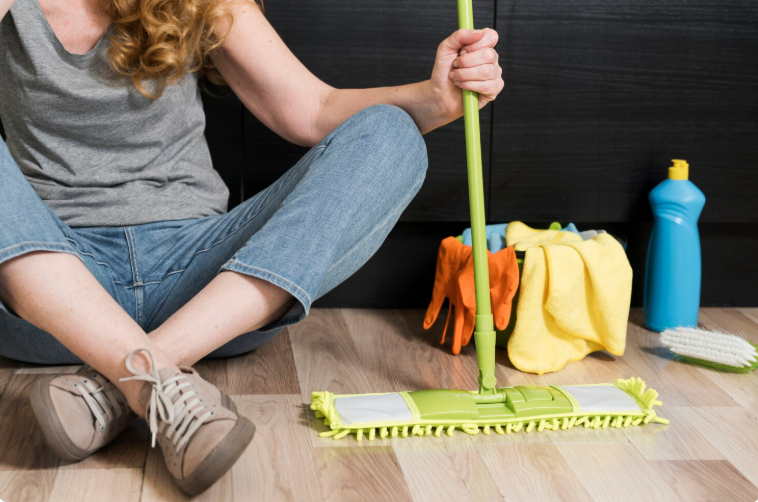
Laminate flooring is a popular choice in many Vancouver homes because it looks like hardwood, costs less, and is easy to maintain. However, even though laminate is durable, it still needs the right care. Using too much water or the wrong cleaning products can leave streaks, damage the surface, or shorten the life of your floors.
If you are wondering how to clean laminate floors and remove tough stains, the good news is that you do not need expensive products or complicated methods. A few simple cleaning habits can keep your floors looking clean and help protect their finish for years.
Whether you clean your floors yourself or use professional house cleaning services in Vancouver, understanding the correct cleaning methods makes a noticeable difference.
Why Laminate Floors Need Special Care
Unlike solid hardwood, laminate flooring has a protective top layer over a fibreboard core. While this surface resists scratches and everyday wear, moisture can seep into the joints if too much water is used. Once water reaches the core, it can cause swelling, warping, or permanent damage.
This is why laminate floors should never be soaked with water or cleaned using a traditional wet mop.
Instead, regular maintenance with the right tools helps preserve both the appearance and durability of your flooring, especially when combined with proper floor cleaning techniques used for different surfaces.
Start with Regular Dust and Dirt Removal
Before dealing with stains, remove loose dirt and dust. Tiny particles of grit can scratch the protective layer when people walk across the floor.
A microfibre dust mop is one of the best tools for daily cleaning. You can also use a vacuum designed for hard floors. Make sure the rotating brush is turned off to prevent scratches.
Cleaning a few times each week prevents dirt from building up and makes deeper cleaning much easier.
How to Mop Laminate Floors Properly
Many homeowners make the mistake of using too much water. The safest method is to use a lightly damp microfibre mop rather than a soaking wet one.
Choose a cleaner made specifically for laminate flooring or mix a small amount of mild cleaner with warm water if recommended by the flooring manufacturer.
When mopping:
- Wring out the mop thoroughly before use.
- Clean one small section at a time.
- Dry any remaining moisture with a clean microfibre cloth.
A floor that dries quickly is much less likely to develop water damage.
How to Remove Tough Stains from Laminate Floors
Some stains require a little extra attention, but aggressive scrubbing should always be avoided.
Food and Drink Stains
Coffee, juice, wine, and sauces should be cleaned as soon as possible. Wipe the spill with a damp cloth and dry the area immediately.
If the stain remains, apply a small amount of laminate floor cleaner to a soft cloth and gently wipe the surface.
Grease and Oil
Kitchen floors often collect grease near cooking areas.
Use a small amount of mild dish soap mixed with warm water on a damp cloth. Wipe the affected area carefully before drying it completely.
Scuff Marks
Shoes, chairs, and furniture can leave black scuff marks.
A clean tennis ball or a soft pencil eraser can often remove these marks without damaging the finish. Rub gently until the mark disappears.
Sticky Residue
Adhesive from tape or stickers can usually be removed by placing a slightly damp cloth over the area for a few minutes before wiping it away.
Avoid using sharp tools that could scratch the laminate surface.
Ink or Marker Stains
For stubborn ink marks, a small amount of rubbing alcohol on a soft cloth may help. Test it first in a hidden area and avoid soaking the floor.
Once the stain is removed, wipe the area with a damp cloth and dry it immediately.
Common Cleaning Mistakes to Avoid
Many flooring problems happen because of simple cleaning mistakes rather than normal wear.
Avoid these common errors:
- Using steam mops on laminate flooring.
- Leaving standing water on the floor.
- Using abrasive scrubbers or steel wool.
- Applying wax or polish designed for hardwood floors.
- Using bleach or strong chemical cleaners.
Following the manufacturer’s care instructions will help your flooring stay in excellent condition.
Simple Habits That Keep Laminate Floors Looking New
Good maintenance goes beyond regular cleaning, and seasonal tasks such as spring cleaning services can help remove built-up dirt from areas that are often missed.
Place mats at entryways to reduce dirt being tracked inside. Use felt pads under furniture to prevent scratches, and wipe up spills as soon as they happen.
If you have pets, keep their nails trimmed to reduce scratching. Sweeping frequently also helps remove pet hair and dirt before it becomes a problem.
Small habits like these can significantly extend the life of your laminate flooring.
When Professional Cleaning Is Worth Considering
Busy schedules sometimes make it difficult to keep up with regular household cleaning. Professional cleaners can help maintain your home while using safe cleaning methods for different floor surfaces.
At Brighters Cleaning, we understand how to care for laminate flooring as part of our home cleaning services in Vancouver. Our team uses appropriate cleaning techniques that help keep floors clean without exposing them to unnecessary moisture or harsh chemicals.
Many homeowners also choose professional residential cleaning services in Vancouver for seasonal deep cleaning, helping maintain a cleaner and healthier living space throughout the year.
Final Thoughts
Knowing how to clean laminate floors and remove tough stains is mostly about using the right techniques rather than stronger products. Regular dust removal, careful mopping, and prompt attention to spills can keep your floors looking their best while preventing unnecessary damage.
If your home needs a deeper clean or you would rather leave the work to experienced professionals, Brighter Cleaning provides reliable cleaning services that help keep every room looking fresh, including laminate flooring that deserves the right level of care.
FAQs
1. Can I use a steam mop on laminate flooring?
No, steam mops are generally not recommended for laminate floors because excessive heat and moisture can damage the protective layer and cause the boards to swell.
2. What is the best cleaner to use on laminate floors?
A cleaner specifically designed for laminate flooring is usually the safest option. Avoid harsh chemicals, bleach, or products that leave heavy residue on the surface.
3. How can I prevent scratches on laminate floors?
You can reduce scratches by using furniture pads, placing mats near entrances, removing dirt regularly, and avoiding dragging heavy furniture across the floor.
4. Why do my laminate floors look streaky after cleaning?
Streaks often happen because of using too much water, too much cleaning product, or an unsuitable cleaner. Using a lightly damp microfibre mop and drying the surface properly can help prevent streaks.
5. How often should laminate floors be professionally cleaned?
Professional cleaning frequency depends on foot traffic, pets, and lifestyle. Homes with children, pets, or busy areas may benefit from occasional professional cleaning to remove deeper dirt and buildup.