
Living in the Lower Mainland comes with plenty of perks—ocean views, mountain air, and lush greenery. But let’s be honest: it also comes with rain, dampness, and the constant battle to keep our homes feeling fresh. If you live here, you know the struggle. You spot mold creeping into the bathroom grout because of the high humidity. You might be tempted to blast it with heavy-duty bleach, but then your small condo smells like a swimming pool for three days.
Plus, with more of us worried about allergies, pet safety, and the environment, pouring chemicals down the drain just doesn’t feel right anymore. You aren’t alone in wanting a change. Many locals are shifting toward green cleaning to protect their families and the delicate ecosystem around False Creek and English Bay. But does “natural” actually work on tough mold or greasy stovetops?
The short answer is yes. This guide gives you practical, research-based, chemical-free cleaning tips specifically tailored to our wet climate and unique housing types. Whether you are in a basement suite in Kitsilano or a high-rise in Burnaby, here is how to keep your home sparkling without the toxins.
Why Green Cleaning Matters for West Coast Households
Switching to eco-friendly methods isn’t just a trend; it’s a health necessity, especially in our specific environment.
Health Effects of Harsh Cleaners in Humid Homes
In this part of the world, we keep our windows closed for a large chunk of the year to keep the rain out. This creates a “sealed box” effect, especially in newer, energy-efficient condos. When you use traditional cleaners containing ammonia or chlorine bleach, those fumes (Volatile Organic Compounds, or VOCs) get trapped inside.
According to the Lung Association’s findings on indoor air quality, frequent exposure to cleaning chemicals like bleach and ammonia can trigger asthma symptoms and cause chronic respiratory irritation. In a small, sealed apartment, these concentrations can remain high long after you’ve finished scrubbing.
Protecting Our Local Water Systems
We love our ocean. However, when we rinse harsh chemicals down the sink, they eventually make their way into our water systems. Phosphates and synthetic surfactants found in traditional cleaners can act as fertilizers for algae, harming aquatic life in the Pacific Northwest. By using biodegradable options, you ensure that what goes down your drain won’t hurt the local ecosystem.
The Climate Challenge (Humidity + Rain + Mold)
The biggest myth is that you need “nuclear” chemicals to kill mold. While our region is famous for its damp climate, natural ingredients like tea tree oil and hydrogen peroxide are often more effective at killing mold spores on porous surfaces (like drywall) than bleach. Bleach often just whitens the mold’s surface without killing the root structure, leading to quick regrowth.
The Real Cleaning Struggles Locals Face
Before we dive into the recipes, let’s look at the specific problems we are trying to solve in our homes.
Persistent Mold in Bathrooms & Windows
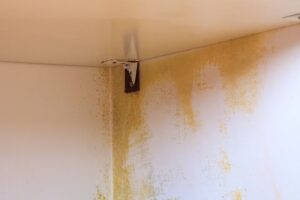
Because our humidity hovers around 80-90% in the winter, mold regrowth is a constant battle. It loves bathroom corners and specifically window sills where condensation (“crying windows”) collects during the rainy season.
Pet Hair and Damp Odours
If you own a dog here, you know the “wet dog” smell is inevitable after a walk in the rain. In smaller spaces like apartments, these odors accumulate quickly in rugs and sofas, making the whole home feel musty.
Kitchen Grease in Compact Spaces
Many local condos feature open-concept kitchens with smaller range hoods. Cooking grease settles on cabinets and even living room furniture, creating a sticky dust layer that is hard to remove without heavy degreasers.
Your Essential Pantry Cleaning Kit
You don’t need a cupboard full of expensive bottles. You likely have most of these powerful cleaning agents in your pantry right now.
- White Vinegar: This is your acidic powerhouse. It cuts through grease, dissolves mineral deposits, and creates an environment where bacteria struggles to survive. Note: Never mix vinegar with bleach—it creates dangerous chlorine gas.
- Baking Soda: A mild alkali that works as a gentle abrasive. It scrubs sinks and bathtubs without scratching the finish and absorbs odors in the fridge or carpets.
- Castile Soap: A plant-based soap (usually made from olive or coconut oil). It lifts dirt and grime effectively, is fully biodegradable, and is safe for kids.
- Hydrogen Peroxide (3%): The safe alternative to bleach. It disinfects surfaces and whitens grout but breaks down into simple water and oxygen.
- Essential Oils (Tea Tree + Eucalyptus): These are essential for the West Coast. Tea Tree oil is a natural fungicide, making it a potent weapon against mold.
Expert Tip: Our local water is very “soft.” This means you actually need less soap or detergent to get a good lather compared to other cities. If you use too much, it creates a film that is hard to rinse off!
Room-by-Room Eco-Cleaning Guide

Kitchen
Tackling Grease on Stovetops
Open-concept kitchens spread grease everywhere, but you don’t need harsh solvents.
- Try this method: Make a paste using baking soda and a few drops of water. Spread it over the greasy spots on your stovetop or backsplash. Spray it lightly with vinegar (it will fizz satisfyingly!). Let it sit for 5 minutes to break down the proteins in the grease, then wipe clean. For sticky range hood filters, soak them in hot water with dissolved Castile soap.
Safe Fridge & Pantry Hygiene
You store your food here; you don’t want chemical residue next to your produce.
- The Routine: Wipe down shelves with a 50/50 mix of water and white vinegar. The vinegar smell dissipates as soon as it dries. For odors, keep an open box of baking soda on the back shelf—replace it every 3 months to keep things smelling neutral.
Dish Soap without the Toxins
Avoid dish soaps high in sulfates that can irritate skin.
- Recommendation: Check out our favorite eco-friendly dish soaps available in Canada. Alternatively, make a spray using 1 cup water, 1 tablespoon Castile soap, and 10 drops of lemon essential oil for a grease-cutting counter spray.
Bathroom
Killing Mold Without the Bleach Fumes
This is the big one for us.
- The Solution: Mix 1 teaspoon of Tea Tree oil with 1 cup of water in a spray bottle. Shake well (oil and water don’t mix naturally) and spray onto moldy areas. Do not rinse. Leave it to dry; the oil penetrates the surface to kill the spores.
- For Grout: Pour hydrogen peroxide directly onto the grout lines. Let it bubble up (that’s the reaction to bacteria), then scrub with an old toothbrush.
Melting Shower Scum
- How to do it: Heat up half a cup of vinegar in the microwave (warm, not boiling). Mix with half a cup of dish soap in a spray bottle. Spray on glass doors, wait 15 minutes, and rinse. The warm vinegar melts the minerals while the soap lifts the oils.
Living Areas & Bedrooms
Dust Control Near Busy Roads
If you live near Kingsway or Broadway, traditional feather dusters just spread that heavy city dust around.
- Better Approach: Use a damp microfiber cloth. The dampness traps the dust rather than launching it into the air. You can use a drop of olive oil on the cloth to polish wood furniture as you dust, leaving a nice shine without the silicone buildup of commercial sprays.
Refreshing Carpets Naturally
- The Method: Sprinkle plain baking soda generously over your carpets or fabric sofa. Add a few drops of lavender oil if you like a floral scent. Let it sit for 20 minutes to absorb moisture and deep-set odors, then vacuum it up. This is much safer for pets than chemical carpet powders.
Windows, Entryways, & Balconies
Streak-Free Glass
- The Recipe: Mix equal parts water and distilled white vinegar in a spray bottle. Use a squeegee or a microfiber cloth for a streak-free shine.
- For Tracks: If you have black gunk in your window tracks (a mix of dust and mold), sprinkle baking soda in the track, pour a little vinegar over it, and scrub with an old toothbrush.
Balcony Maintenance
Moss and green algae love our balconies.
- Eco-removal: You don’t need harsh moss killers. Spray full-strength vinegar on the moss on a dry day. It will turn brown and die within a few days, making it easy to sweep away.
DIY Green Cleaning Recipes That Work
Save money and reduce plastic waste with these simple formulas. Use the cheat sheet below for quick reference.
Quick Recipe Cheat Sheet:
| Cleaner Type | Main Ingredients | Best For |
| All-Purpose | Vinegar + Water + Lemon | Counters & Tables |
| Scouring Paste | Baking Soda + Hydrogen Peroxide | Sinks & Grout |
| Glass Spray | Vinegar + Water | Mirrors & Windows |
| Deodorizer | Baking Soda + Lavender Oil | Carpets & Sofas |
-
All-Purpose Cleaner (Daily Use)
- 1 cup distilled water
- 1 cup white vinegar
- 1/2 teaspoon Castile soap (optional—add last to prevent bubbling over)
- 15 drops lemon essential oil
-
Scrub Paste for Tiles & Sinks
- 1/2 cup baking soda
- 1/4 cup hydrogen peroxide
- 1 teaspoon liquid dish soap
- Mix into a paste and use immediately.
-
Natural Air Freshener Spray
- 1 cup water
- 2 tablespoons rubbing alcohol or vodka (helps it evaporate)
- 15-20 drops of your favorite essential oil (peppermint or eucalyptus feels very fresh).
-
Eco-Friendly Laundry Booster
- Add 1/2 cup of baking soda to the wash cycle to brighten whites.
- Add 1/2 cup of vinegar to the rinse cycle to soften fabrics (a great replacement for commercial fabric softener).
Green Cleaning for Condo Dwellers

Ventilation is Key
In 600-square-foot apartments, ventilation is limited. Always run your bathroom fan for at least 30 minutes after showering. Avoid aerosol sprays entirely; use pump sprays or essential oil diffusers instead to keep the air quality high.
Improving Indoor Air Quality
- Plants: Snake plants and Spider plants are excellent at filtering indoor air.
- Filters: Read our guide on how to choose HEPA filters for condos. Ensure you clean the lint trap in your dryer and the filter in your range hood regularly to improve airflow.
Managing Moisture
Prevention is better than cleaning. Keep furniture slightly pulled away from walls to allow air circulation. If you have a laundry closet, keep the door open when the washer is running to prevent heat and moisture buildup.
Kid- & Pet-Safe Cleaning Practices
Ingredients to Avoid
If you have toddlers crawling on the floor or pets licking their paws, you need to be vigilant.
- Ammonia: Found in glass cleaners; highly irritating to lungs.
- Phthalates: Often hidden in “Fragrance” on labels.
- Chlorine Bleach: According to the Pet Poison Helpline’s warning on bleach toxicity, bleach can cause severe skin irritation and vomiting in pets if they walk on wet surfaces or lick treated areas.
Disinfecting Safely
Hydrogen peroxide is your best friend here. It kills germs effectively but breaks down into safe components once dry. For floors, a simple mix of warm water and 1 teaspoon of Castile soap is safe for dog paws and baby knees.
Cleaning Toys & Pet Areas
Soak plastic toys in a basin of warm water and vinegar. For soft toys, wash them with a gentle, unscented detergent.
Buying Guide: Truly Eco-Friendly Products
Not everyone wants to DIY everything. If you are buying from the store, be careful.
Watch Out for Greenwashing
“Greenwashing” is when companies use words like “Natural” or “Eco-Friendly” on the label, but the ingredients are still toxic. There is very little regulation on these marketing terms.
Labels You Should Look For
Look for third-party certifications that prove the product is safe:
- EcoLogo (Canada): Certified for reduced environmental impact.
- Green Seal: A rigorous US standard often found on products here.
- USDA Certified Biobased: Contains renewable plant/animal ingredients.
Local Brands We Actually Use & Love
You can find great bulk refill options at local stores like The Soap Dispensary on Main St or Nada.
- Sapadilla: Born right here in Vancouver, this brand is a favorite of ours. We specifically recommend their Grapefruit + Bergamot all-purpose cleaner. Unlike many “natural” cleaners that smell like straight vinegar, this leaves a bright, uplifting scent that masks cooking odors perfectly without being overpowering.
- Nellie’s: Based in North Vancouver, Nellie’s is famous for their laundry soda. What we love most is the metal tin packaging. It completely eliminates the plastic jugs that usually clutter up the recycling bin. Plus, the powder dissolves fully even in cold water washes, which is great for energy saving.
Deep Cleaning with Eco-Methods
Carpet & Upholstery
Rent a steam cleaner, but skip the chemical solution they sell you. Instead, fill the tank with hot water and a half-cup of white vinegar. The steam does the sanitizing; the vinegar cuts odors.
The Oven Overnight Method
- Make a thick paste of baking soda and water.
- Coat the inside of the oven (avoid heating elements).
- Leave it overnight (12 hours).
- In the morning, spray with vinegar and wipe out the grime. It takes patience, but no toxic fumes!
Handling Severe Mold
If the mold is deep in the silicone caulking, no amount of scrubbing will remove it. The eco-friendly fix is mechanical: scrape out the old caulking and re-seal it. It’s a $10 DIY job that solves the problem instantly without chemicals.
When to Call a Professional
Sometimes, you need backup.
- Severe Mold Issues: If mold covers more than 10 square feet, or if it’s in the drywall, call a professional remediation team.
- Move-In/Move-Out: Ensure the previous owner’s chemical residues are gone. Need help with a chemical-free move-out clean? Contact our team today.
- For Busy Households: Look for local cleaning companies that specifically advertise “Green Cleaning” and ask them for their ingredient list before hiring.
Frequently Asked Questions
Q1: Can eco-friendly cleaning really kill germs effectively?
Yes. According to Health Canada’s guidelines on hard-surface disinfectants, hydrogen peroxide is an effective option against pathogens. For standard home cleaning, vinegar and hydrogen peroxide (used separately) are sufficient to maintain a healthy environment.
Q2: How can I prevent mold naturally in our damp climate?
Control humidity. Use a dehumidifier, run fans, and use Tea Tree oil spray preventatively in corners of the shower.
Q3: Is vinegar safe for all surfaces?
No. Do not use vinegar on natural stone (granite, marble) or hardwood floors, as the acid can etch or dull the finish. Use a pH-neutral Castile soap mix instead.
Q4: Are essential oils safe around pets?
Not all of them. Tea Tree oil can be toxic to dogs and cats if ingested in high amounts. Always use diluted solutions and ensure the room is ventilated.
Conclusion
Creating a clean, healthy home in the Pacific Northwest doesn’t require a Hazmat suit or harsh chemicals. By understanding our unique climate—and how humidity interacts with our homes—you can tackle mold, dust, and grime using ingredients that are safe for your family. Start small. Swap out your all-purpose spray for a vinegar mix this week. Try the baking soda paste on your oven next month. Your lungs, your pets, and the ocean will thank you.